August 11, 2026
Protein Shampoo Repair Efficacy: What Lab Data Reveals
Unlock the secrets to healthier hair. We delve into the science and lab data behind protein shampoo to reveal its true repair efficacy for damaged hair.
By RAY (Thailand) Editorial Team
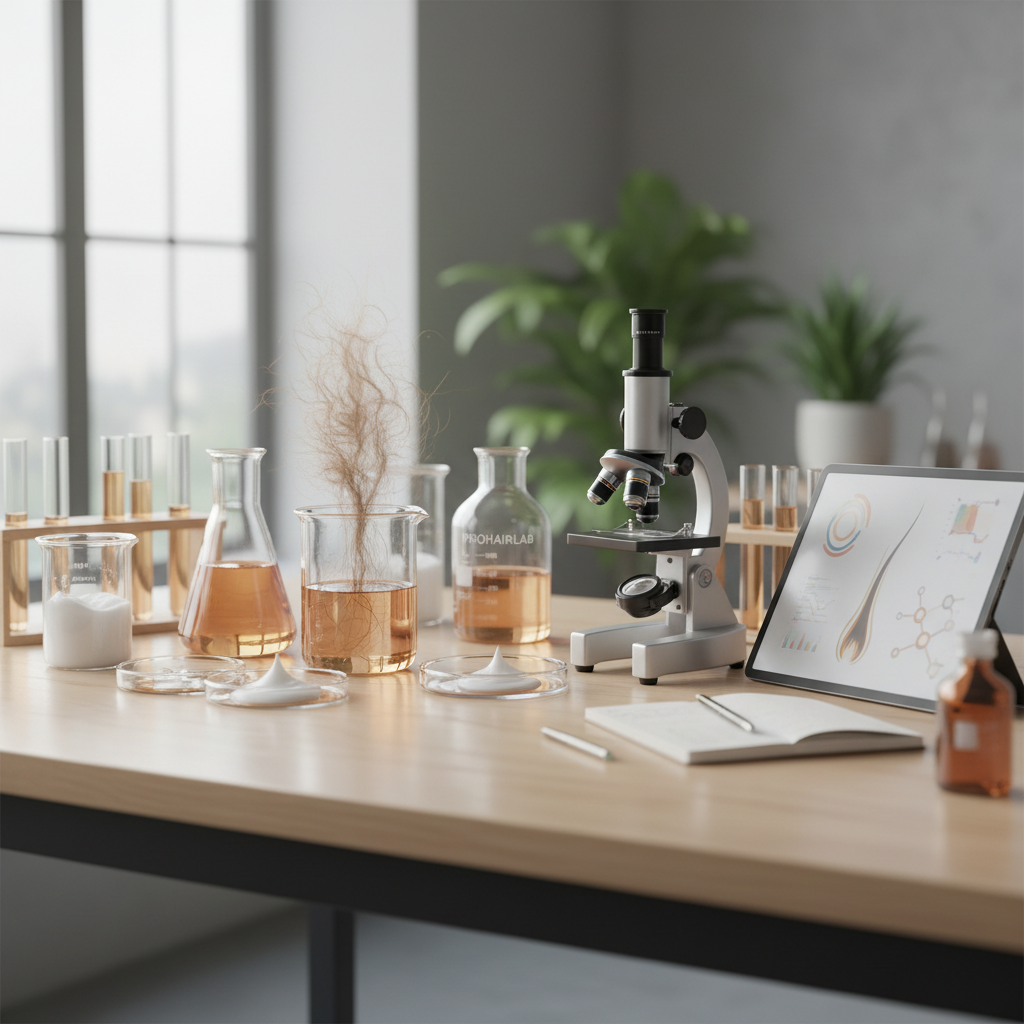
The Science of Strong Hair: Understanding Hair Structure
To appreciate the efficacy of protein shampoo, we first need to understand the basic structure of a hair strand. Each hair is primarily composed of a tough, fibrous protein called keratin. This protein is responsible for the hair's strength, elasticity, and overall resilience. The outermost layer, the cuticle, is made of overlapping scales that protect the inner cortex. When hair is healthy, these scales lie flat, giving it a smooth and shiny appearance.
However, various factors can damage this delicate structure. Heat styling, chemical treatments (like coloring or perms), environmental pollutants, and even UV radiation can lift and break the cuticle scales. This exposes the inner cortex, leading to a loss of moisture and protein. The result is hair that appears dull, frizzy, brittle, and is prone to split ends and breakage. This is where the targeted action of a protein repair treatment becomes essential.
What Causes Protein Loss in Hair?
-
Chemical Damage: Bleaching, dyeing, and relaxing processes break down the disulfide bonds in keratin, weakening the hair's internal structure.
-
Heat Damage: High temperatures from flat irons, curling wands, and blow dryers can denature the protein, altering its shape and strength.
-
Mechanical Stress: Rough brushing, tight hairstyles, and friction can wear down the cuticle over time.
-
Environmental Factors: Sun exposure and pollution can create free radicals that degrade hair protein.
Decoding Protein Shampoo: How Does it Repair Hair?
Protein-infused shampoos are specifically formulated to counteract this damage. They contain hydrolyzed proteins—proteins that have been broken down into smaller molecules—that are capable of penetrating the hair shaft and reinforcing its natural structure. Common proteins used in hair care include keratin, collagen, silk, and wheat protein.
The core principle behind their efficacy lies in a process of patching and filling. When you wash your hair with a protein shampoo, these small protein fragments are deposited onto and into the hair strand. They fill in the gaps and cracks in the damaged cuticle, creating a smoother, more uniform surface. This not only improves the look and feel of the hair but also strengthens it from within, making it more resistant to future damage.
The Lab Data: Measuring Repair Efficacy
At RAY, we believe in substantiating our claims with scientific evidence. The efficacy of a hair repair treatment isn't just a matter of opinion; it can be objectively measured in a controlled laboratory setting. Several key tests are used to quantify the "Protein Shampoo Repair Efficacy."
-
Tensile Strength Testing: This test measures the force required to stretch a hair strand until it breaks. Hair treated with a high-quality protein shampoo consistently demonstrates a significant increase in tensile strength compared to untreated, damaged hair. This proves that the treatment is genuinely making the hair stronger and less prone to breakage.
-
Scanning Electron Microscopy (SEM): SEM provides a highly magnified view of the hair's surface. Images of damaged hair typically show a rough, lifted, and fractured cuticle. After treatment with a protein shampoo, SEM images reveal a dramatically smoother and more sealed cuticle layer, visually confirming the "patching" effect of the deposited proteins.
-
Flexibility and Elasticity Analysis: Healthy hair can stretch to a certain degree and return to its original length. Damaged hair often loses this elasticity. Lab tests can measure this property, showing that protein treatments restore the hair’s flexibility, preventing it from snapping when styled or brushed.
Choosing the Right Protein Treatment for Your Hair
While the data confirms that protein shampoos work, it's important to choose the right one. The needs of slightly dry hair are very different from severely bleached and chemically damaged hair. Overusing protein on hair that doesn't need it can sometimes lead to a stiff or brittle feeling, as the hair becomes overloaded.
As a leading cosmetics OEM/ODM company, RAY specializes in developing sophisticated hair repair treatments. Our R&D team focuses on creating balanced formulas that deliver the optimal amount of hydrolyzed protein to fortify the hair without causing buildup. We leverage cutting-edge lab data to fine-tune our formulations, ensuring they provide measurable improvements in hair strength, smoothness, and shine.
The evidence is clear: the protein shampoo repair efficacy is not just a marketing claim. It's a scientifically proven process. By understanding the damage and how these specialized ingredients work, you can see why lab data consistently shows a remarkable restoration of hair health, turning weak, brittle strands into a strong, resilient, and beautiful mane.