August 31, 2026
Halal Certification & Clean Beauty in Thailand for the EU Market
Navigating the complexities of Halal certification and Clean Beauty standards is crucial for cosmetics brands targeting the EU. Discover how a Thai OEM partner can help you succeed.
By RAY (Thailand) Editorial Team
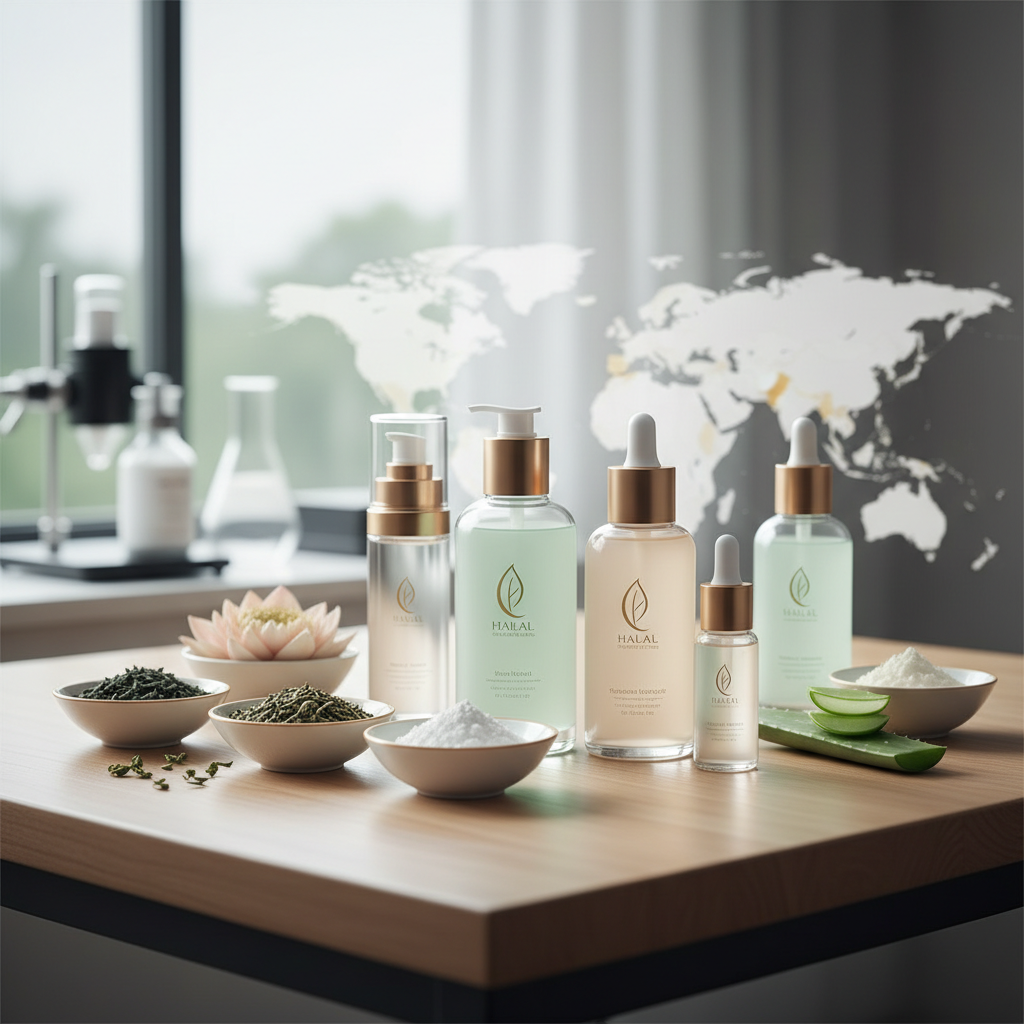
Navigating EU Market Entry: The Importance of Halal and Clean Beauty Standards
The European Union represents one of the most lucrative yet complex markets for cosmetic brands. Consumers are increasingly discerning, prioritizing not only product efficacy but also ethical and transparent manufacturing processes. For brands looking to capitalize on this demand, understanding the nuances of certifications like Halal and the principles of "Clean Beauty" is no longer optional—it's essential. Partnering with an experienced Original Equipment Manufacturer (OEM) in Thailand can provide a strategic advantage in meeting these stringent requirements.
Thailand has emerged as a global hub for cosmetics manufacturing, renowned for its high-quality production, innovative research, and competitive pricing. More importantly, Thai manufacturers are adept at navigating complex international regulations, making them ideal partners for brands with their sights set on the EU. This article explores the fourth crucial point in our series: leveraging a Thai OEM to align with Halal certification and Clean Beauty claims for successful EU market penetration.
Understanding Halal Certification in Cosmetics
Halal, an Arabic term meaning "permissible," extends far beyond dietary laws. In the context of cosmetics, Halal certification guarantees that a product is free from ingredients forbidden by Islamic law and has been produced in a facility that adheres to strict standards of cleanliness and purity. This is a significant value proposition for the growing Muslim consumer base in Europe and a powerful symbol of ethical production for all consumers.
What Does Halal Certification Entail?
-
Ingredient Purity: Products must not contain pork, alcohol, or ingredients derived from carnivorous animals or animals not slaughtered according to Islamic principles.
-
Manufacturing Integrity: The entire production line, from sourcing raw materials to packaging, must be free from any potential cross-contamination with non-Halal substances.
-
Ethical Sourcing: Emphasis is placed on ethical and humane treatment of animals when animal-derived ingredients (like beeswax or lanolin) are used.
Working with an OEM in Thailand that already has Halal-certified facilities can dramatically simplify this process. They possess the expertise to source compliant ingredients and maintain the rigorous documentation required for certification, saving your brand significant time and resources.
The Rise of Clean Beauty: More Than Just a Trend
The "Clean Beauty" movement is a consumer-driven demand for products that are safe, non-toxic, and transparent about their ingredients. While the term isn't officially regulated in the EU, it generally implies products formulated without controversial ingredients like parabens, phthalates, sulfates, and synthetic fragrances. The EU already has one of the strictest cosmetic safety regulations in the world, banning over 1,300 ingredients, but the clean beauty ethos takes this a step further.
Key Principles of Clean Beauty for the EU Market:
-
Ingredient Transparency: Brands are expected to provide clear, easy-to-understand ingredient lists and be honest about the function of each component.
-
Formulation Safety: Prioritizing ingredients that are not only legally compliant but also have a strong safety profile and are perceived as "gentle" or "natural" by consumers.
-
Sustainability and Ethics: Clean Beauty often intersects with concerns about cruelty-free testing, sustainable sourcing, and eco-friendly packaging.
Why a Thai OEM is Your Strategic Partner for EU Compliance
Choosing the right manufacturing partner is the most critical decision for a brand targeting the EU. An OEM in Thailand like RAY offers a unique combination of advantages that directly address the challenges of meeting Halal and Clean Beauty standards.
1. Expertise in Global Standards
Leading Thai OEMs are built for export. They are well-versed in the EU’s Cosmetics Regulation (EC) No 1223/2009 and can help ensure your Product Information File (PIF) is in perfect order. Their experience with Halal certification bodies means they can guide you through the audit process seamlessly.
2. Advanced R&D and Formulation
Thailand is at the forefront of cosmetic innovation. OEMs have dedicated R&D teams capable of developing sophisticated, effective formulations that meet "clean" criteria. They can skillfully substitute traditional preservatives or surfactants with plant-based alternatives without compromising product stability or performance.
3. Established Supply Chains
A crucial aspect of both Halal and Clean Beauty is ingredient traceability. Established Thai manufacturers have robust supply chain networks, allowing them to source high-quality, certified-Halal, and sustainably harvested raw materials from trusted suppliers. This ensures the integrity of your product from start to finish.
By partnering with a knowledgeable and well-equipped OEM in Thailand, your brand can confidently navigate the complexities of the EU market. You gain a partner who not only manufactures your product but also ensures it is compliant, ethical, and aligned with the values of modern European consumers, setting the stage for international success.