August 12, 2026
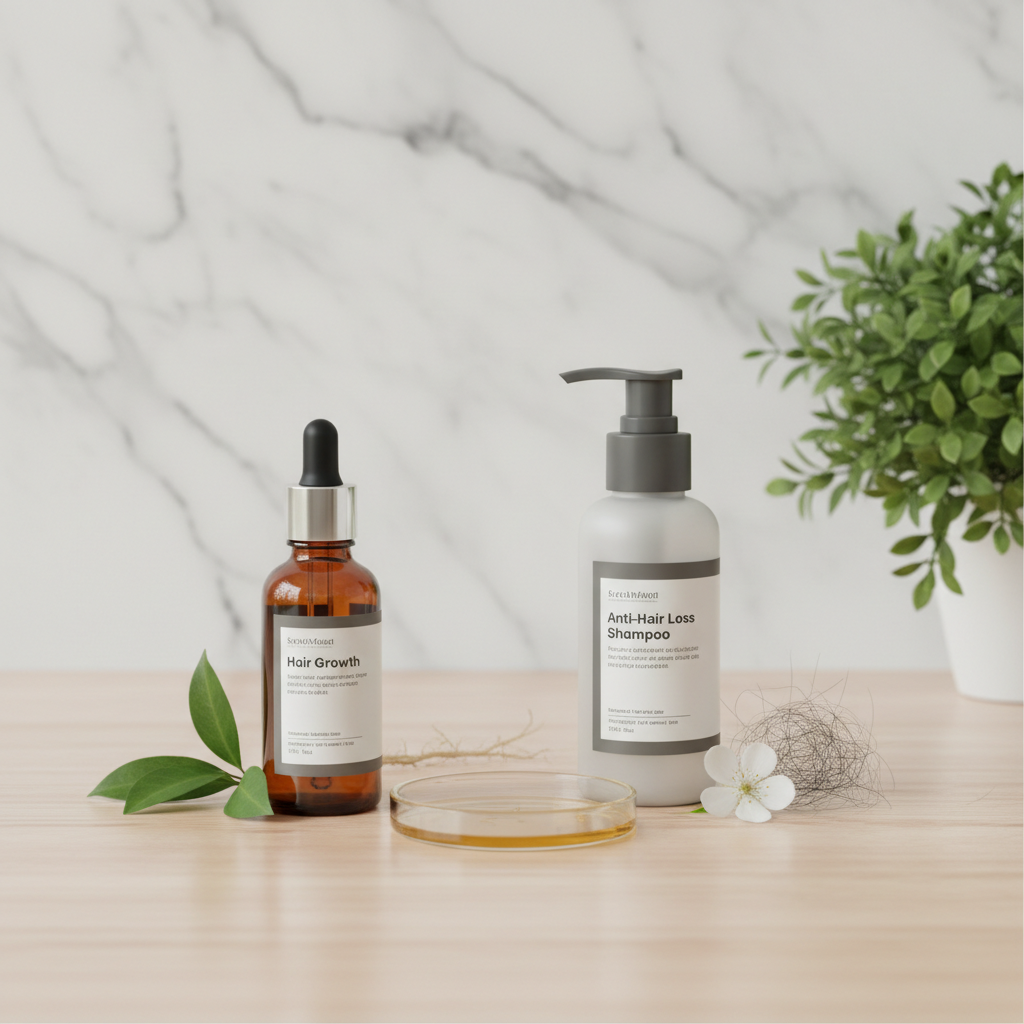
Hair Growth Serum vs. Anti-Hair Loss Shampoo: A Real Performance Test
Tired of empty promises? We put hair growth serums and anti-hair loss shampoos to the test to see which one truly delivers results for thinning hair and hair loss.
By RAY (Thailand) Editorial Team
Understanding Hair Loss: The First Step to a Fuller Mane
For many, hair is intrinsically linked to identity and confidence. So, when you start noticing more strands in your brush or a thinner-looking scalp, it’s natural to feel concerned. The first step towards an effective solution is understanding the root cause. Hair loss can be triggered by a variety of factors, including genetics, hormonal changes, stress, nutritional deficiencies, and even certain styling habits. While some causes require medical intervention, many common forms of hair thinning can be effectively addressed with the right topical treatments.
The market is flooded with products promising miraculous results, but the two most popular categories are undoubtedly anti-hair loss shampoos and hair growth serums. But what’s the real difference between them, and which one is the right choice for your specific needs? At RAY, we believe in empowering our clients with knowledge. This article will dissect the science, application, and real-world performance of these two popular hair care titans.
The Role of Anti-Hair Loss Shampoo: A Deep Cleanse for a Healthy Scalp
Think of anti-hair loss shampoo as the foundational step in your hair restoration journey. Its primary function is to create the optimal environment for healthy hair growth. These shampoos are formulated to do more than just cleanse; they are designed to tackle common scalp issues that can contribute to hair fall.
Key Functions of Anti-Hair Loss Shampoos:
-
Deep Cleansing: They effectively remove build-up from styling products, sebum (oil), and environmental pollutants that can clog hair follicles and hinder growth.
-
Scalp Health: Many formulations contain ingredients like ketoconazole, salicylic acid, or natural extracts such as tea tree oil to combat dandruff, inflammation, and microbial activity on the scalp.
-
Improved Circulation: Ingredients like caffeine or peppermint oil can help to stimulate blood flow to the scalp, ensuring that hair follicles receive the essential nutrients they need to thrive.
The Verdict on Performance: An anti-hair loss shampoo is an excellent starting point and a crucial part of any hair care regimen aimed at reducing hair fall. By maintaining a clean and balanced scalp, it prevents follicle blockage and reduces hair loss caused by scalp conditions. However, its primary role is preventative and preparatory. While it creates the ideal foundation for growth, it typically doesn’t contain a high concentration of active ingredients powerful enough to significantly stimulate new hair growth on its own.
The Power of Hair Growth Serums: A Concentrated Attack on Thinning
If shampoo is the foundation, a hair growth serum is the targeted, high-performance treatment. Serums are leave-in products with a lightweight consistency that are applied directly to the scalp. Their key advantage lies in their formulation: they are packed with a high concentration of active ingredients designed to penetrate deep into the scalp and directly stimulate the hair follicles.
Key Functions of Hair Growth Serums:
-
Follicle Stimulation: Serums are the delivery vehicle for powerful growth-stimulating ingredients like Minoxidil, Aminexil, Redensyl, Procapil, or natural peptides and botanical extracts. These actives work to prolong the anagen (growth) phase of the hair cycle.
-
DHT Blockers: Many advanced serums contain ingredients that inhibit the production of Dihydrotestosterone (DHT), a hormone that is a primary culprit in androgenetic alopecia (pattern baldness).
-
Nutrient Delivery: They deliver a potent cocktail of vitamins, minerals, and amino acids directly to the follicle, nourishing it from the root and encouraging the growth of stronger, thicker hair strands.
The Verdict on Performance: In a direct performance comparison for stimulating new growth, a high-quality hair growth serum consistently outperforms an anti-hair loss shampoo. Because it’s a leave-in treatment, the active ingredients have an extended period to work their magic on the scalp and follicles without being rinsed away. For individuals experiencing noticeable thinning and a desire for regrowth, a serum is the more potent and direct solution.
The Ultimate Test: Which One Should You Choose?
The debate of hair growth serum vs. anti-hair loss shampoo isn’t about choosing a winner, but about understanding their synergistic relationship. They are not mutually exclusive; in fact, they perform best when used together.
Use an Anti-Hair Loss Shampoo if:
-
You are in the early stages of hair thinning and want to take a preventative approach.
-
You suffer from scalp issues like dandruff, oiliness, or inflammation.
-
You want to create the optimal clean-scalp environment for other treatments to be effective.
Use a Hair Growth Serum if:
-
You are experiencing noticeable hair loss and want to actively stimulate regrowth.
-
Your primary goal is to increase hair density and thickness.
-
You are looking for a concentrated, potent treatment to target problem areas directly.
The RAY Conclusion: A Combined Strategy for Maximum Results
For a truly effective, multi-pronged attack on hair loss, the most powerful strategy is to combine both products. Start your routine by washing with a high-quality anti-hair loss shampoo to cleanse the scalp and remove any barriers to treatment. Then, on a towel-dried or dry scalp, apply a potent hair growth serum, massaging it gently into the roots to ensure maximum absorption.
This dual approach ensures that you are not only preventing further hair loss by maintaining a healthy scalp but also actively promoting new, stronger growth with a concentrated treatment. As a leading cosmetics OEM/ODM in Thailand, RAY is at the forefront of developing innovative and effective hair care solutions. We understand the science behind hair restoration and can help you create a product line that delivers the real, tangible results your customers are searching for.