August 20, 2026
The Complete Factory Audit Checklist for Cosmetics OEM in Thailand
Partnering with a cosmetics OEM in Thailand requires thorough due diligence. Our complete factory audit checklist for European brands ensures your partner meets the highest standards.
By RAY (Thailand) Editorial Team
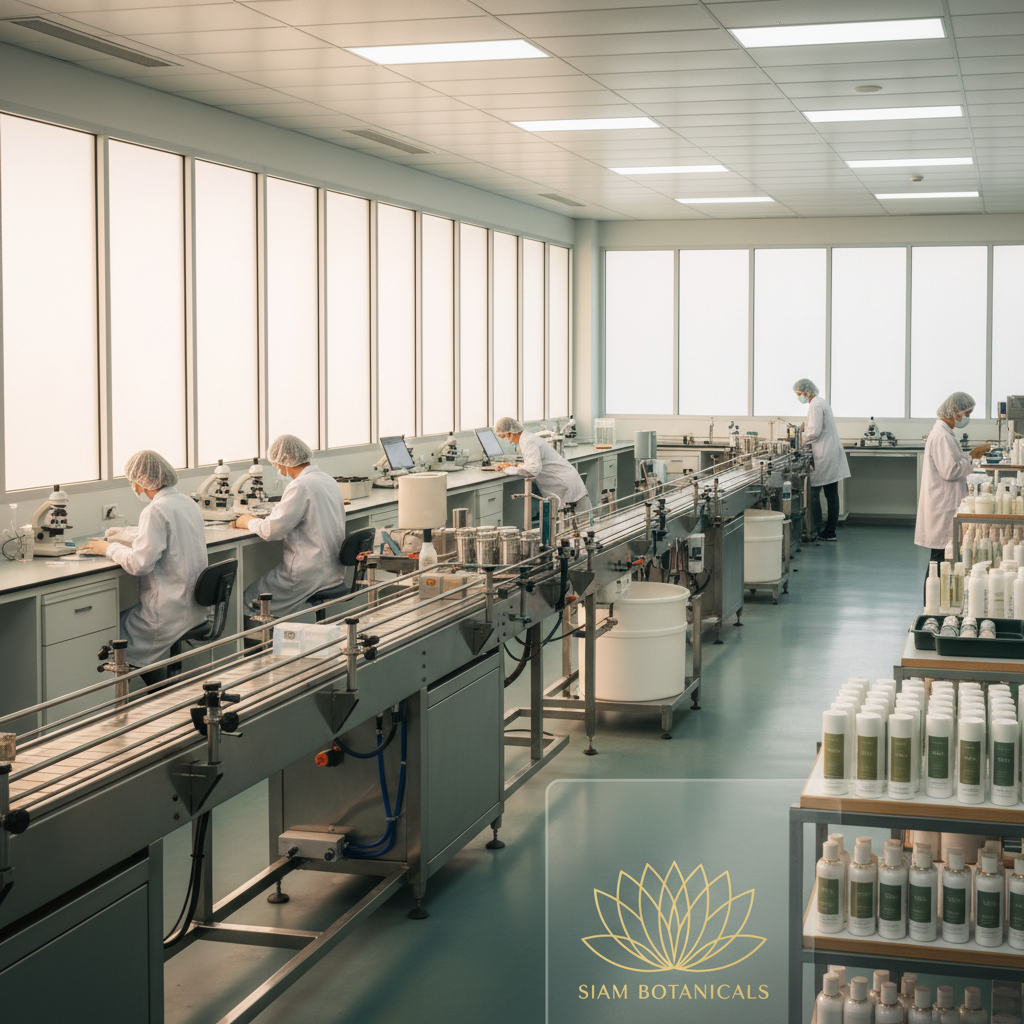
Navigating the Thai Cosmetics Landscape: Why a Factory Audit is Crucial
Thailand has firmly established itself as a global hub for high-quality cosmetics manufacturing. Its strategic location in the heart of ASEAN, combined with a skilled workforce and government support, makes it an attractive base for brands worldwide. For European companies looking to partner with an OEM/ODM in Thailand, this presents a massive opportunity. However, to protect your brand reputation and ensure product quality, a comprehensive factory audit is not just recommended—it's essential.
An audit verifies that a potential partner adheres to international standards, including Good Manufacturing Practices (GMP), ethical labor laws, and stringent quality control protocols. It provides a transparent view of their operations, from raw material sourcing to finished product dispatch. This due diligence is the foundation of a successful and sustainable partnership, ensuring your products meet the high expectations of the European market.
The Complete Audit Checklist for Your Thai Cosmetics OEM Partner
When evaluating a potential manufacturing partner in Thailand, a structured approach is key. This checklist covers the critical areas you need to investigate to ensure a facility meets European standards.
1. Quality Management System (QMS) and Documentation
A robust QMS is the backbone of any reliable manufacturer. It demonstrates a commitment to consistency and quality. During your audit, you should verify:
-
ISO Certification: Does the factory hold current ISO 9001 (for QMS) and, ideally, ISO 22716 (Cosmetics – Good Manufacturing Practices) certifications? Request to see the certificates.
-
Standard Operating Procedures (SOPs): Review their SOPs for key processes like receiving raw materials, production, quality control, and equipment sanitation. Are they detailed, up-to-date, and readily accessible to staff?
-
Record Keeping: Examine their batch records (Batch Manufacturing Records - BMRs). They should be complete, accurate, and provide full traceability from raw ingredients to the final product.
-
Change Control and Deviation Management: How do they handle changes in formulas, processes, or suppliers? Is there a formal system for documenting and approving any deviations from standard procedures?
2. Good Manufacturing Practices (GMP) Compliance
GMP is non-negotiable for cosmetics sold in the EU. While ISO 22716 is the gold standard, you should also physically inspect the facility for GMP adherence. In Thailand, this often aligns with ASEAN Cosmetics Directive standards.
-
Facility Design and Layout: Are production, packaging, and storage areas logically separated to prevent cross-contamination? Are surfaces smooth, easy to clean, and non-porous?
-
Hygiene and Sanitation: Observe employee hygiene practices. Are there adequate hand-washing stations, proper gowning procedures, and a documented pest control program?
-
Water System: Water is a key ingredient. Inquire about their water purification system (e.g., reverse osmosis, deionization, UV treatment) and review their water quality testing records.
-
Air Quality: Check for proper ventilation and air pressure controls, especially in areas where products are exposed. This prevents microbial contamination.
3. Raw Material Sourcing and Control
The quality of your finished product depends entirely on the quality of its ingredients. Your audit must scrutinize the manufacturer's sourcing and handling procedures.
-
Supplier Qualification: How do they vet and approve their raw material suppliers? Do they require Certificates of Analysis (CoA) for every ingredient batch?
-
Incoming Inspection: Is there a dedicated quarantine area for incoming raw materials pending quality control testing? What tests do they perform before releasing materials for production?
-
Storage: Are raw materials stored under appropriate conditions (e.g., temperature, humidity control) to maintain their integrity? Are allergens and sensitive materials properly segregated?
4. Production and In-Process Quality Control
Observing the production floor is a critical part of the audit. This is where your product comes to life, and where errors can be costly.
-
Equipment: Is the manufacturing equipment (mixers, filling machines) made of appropriate materials (like stainless steel), well-maintained, and calibrated regularly? Review calibration logs.
-
In-Process Checks: What quality checks are performed during the manufacturing process? This can include tests for viscosity, pH, color, and fragrance at various stages.
-
Line Clearance: How do they ensure that all materials from the previous production run are cleared before a new one begins? This is crucial to prevent mix-ups and contamination.
5. Laboratory and Final Product Testing
The on-site laboratory is the heart of quality assurance. It must be well-equipped and staffed by qualified personnel.
-
Testing Capabilities: Can they perform essential tests like microbial limits, stability testing, and preservative efficacy testing (PET)? If they outsource any tests, who are their partner labs and are those labs accredited?
-
Finished Product Release: What is the procedure for final product release? Each batch should be tested against specifications and a CoA should be generated before it is approved for shipment.
-
Sample Retention: Does the factory keep retain samples of each production batch for future reference? How long are they stored?
6. Ethical and Social Compliance
For European brands, ethical production is as important as product quality. Your brand's reputation is on the line, so social compliance cannot be overlooked.
-
Labor Practices: Verify that the factory complies with local labor laws regarding working hours, fair wages, and employee age. Look for signs of forced labor or unsafe working conditions.
-
Environmental Responsibility: What are their waste management and disposal procedures, particularly for chemical waste? Do they have policies in place to minimize their environmental impact?
RAY: Your GMP-Certified Partner in Thailand
Conducting a thorough factory audit is a complex but necessary step in finding the right OEM/ODM partner. It safeguards your brand, ensures product excellence, and builds a foundation for a long-term, successful relationship.
At RAY, we welcome and encourage audits from our potential partners. Our state-of-the-art facility is built to exceed international standards, with full GMP and ISO certifications. We believe in complete transparency and are proud to demonstrate the quality systems, ethical practices, and advanced manufacturing capabilities that make us a trusted partner for brands across Europe and the world. Contact us to learn how we can bring your cosmetic vision to life with the quality and integrity your brand deserves.