August 5, 2026
The Real Cost of Private Label Shampoo: A 500-Bottle MOQ Breakdown
Thinking of launching a shampoo line? A low MOQ of 500 bottles is a great start. We break down the real costs involved, from formulation to filling.
By RAY (Thailand) Editorial Team
Entering the Hair Care Market: What Does It Really Cost?
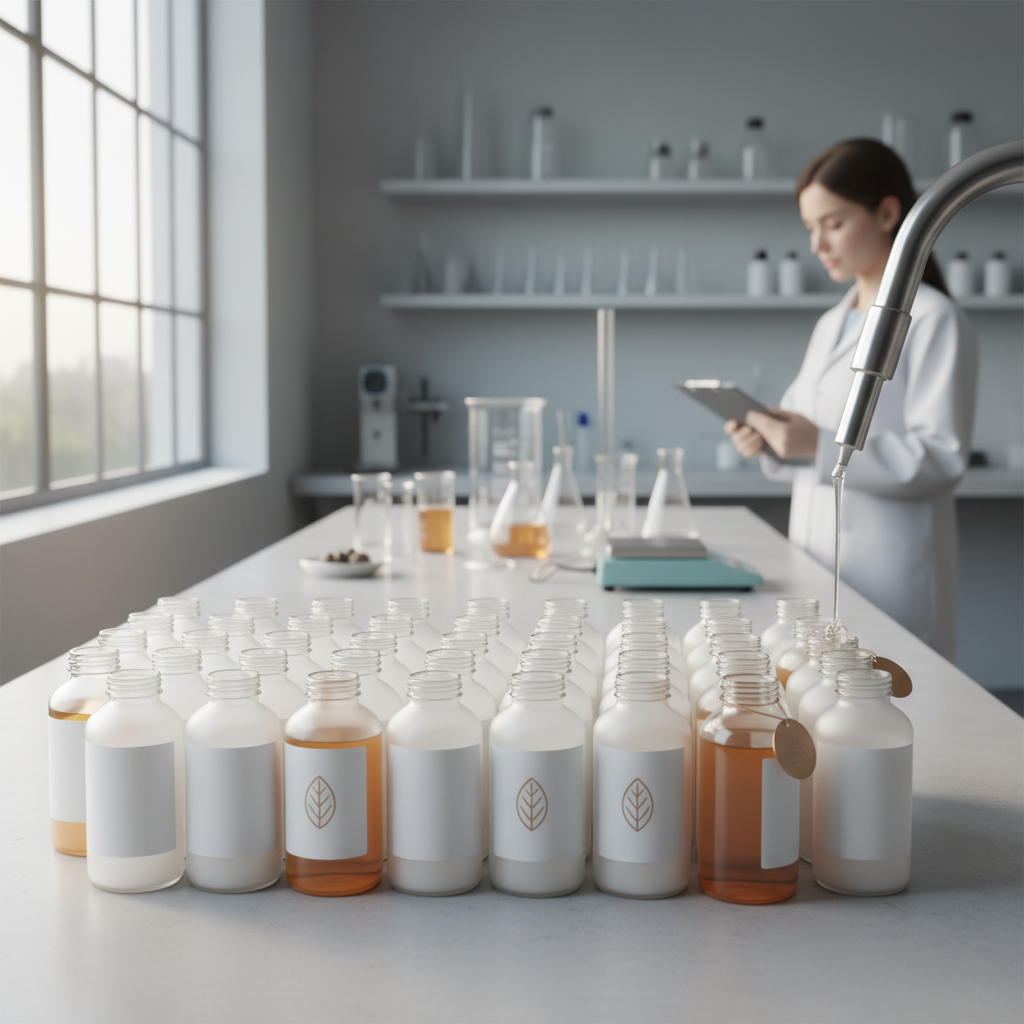
Launching your own shampoo brand is an exciting venture. The vision of your unique product on store shelves or featured on a popular online boutique is a powerful motivator. But between the dream and the reality lies a crucial question: "How much does it actually cost to get started?" Many aspiring brand owners are surprised to learn that a Minimum Order Quantity (MOQ) doesn't have to be in the tens of thousands. At RAY, we specialize in helping new brands launch with accessible MOQs. This article provides a transparent, real-world cost breakdown for a 500-bottle private label shampoo order.
Beyond the Per-Bottle Price: Understanding the Full Investment
The first mistake many entrepreneurs make is focusing solely on the "per-unit" price. The true cost of launching a private label shampoo is a sum of several critical components. For a low MOQ order, the setup and selection processes for each component form a significant part of the total investment. Let's explore the key cost centers you need to budget for.
-
Formulation & Development
-
Packaging (Bottles, Closures, Labels)
-
Manufacturing (Mixing, Filling & Assembly)
-
Quality Control & Compliance
-
Logistics & Shipping
Cost Component 1: Formulation (The Liquid Gold)
The shampoo itself is, of course, central to your product. For a 500-bottle run, you will almost certainly be selecting from a manufacturer's library of "stock" or "base" formulations. This is a significant advantage for low MOQ orders.
Stock Formulations: Your Fast-Track to Market
A reputable OEM/ODM partner like RAY has a portfolio of professionally developed, lab-tested, and market-proven shampoo formulas. These bases can range from clarifying and volumizing shampoos to hydrating and sulfate-free options.
-
Cost: The R&D cost is essentially waived because it has been amortized over many clients. You only pay for the raw ingredients and any minor customizations (like adding a specific fragrance or extract from our approved list).
-
Benefit: This dramatically reduces your upfront investment and speeds up your time to market. You are using a stable, pre-tested formula, eliminating months of development time.
A Note on Custom Formulations
A fully custom formula, developed from scratch exclusively for your brand, involves extensive R&D, multiple sample revisions, and rigorous stability testing. This process is expensive (often thousands of dollars) and typically requires a much higher MOQ (usually 5,000 units or more) to be commercially viable. For a 500-bottle order, a stock formula is the most logical and cost-effective path.
Cost Component 2: The Complete Package
Packaging is often the most significant variable in determining your final per-unit cost. It’s what creates your brand's shelf presence and communicates its value. For a low MOQ, an intelligent sourcing strategy is key.
Bottles and Closures (Pumps/Caps)
Your manufacturer will have a network of trusted packaging suppliers. To meet a 500-unit MOQ, you will typically choose "in-stock" bottles and caps. These are high-quality, readily available options in standard sizes (e.g., 250ml/8.4oz or 500ml/16.9oz) and shapes.
-
Impact on Cost: Opting for standard PET bottles in common colors like clear, white, or amber is most economical. Requesting a unique bottle shape or color often requires a production run of 10,000+ units, making it unsuitable for a small launch.
Labels and Decoration
With your bottle selected, you need to brand it. For small runs, digital printing is the go-to method for labels. While the per-label cost is higher than a method like offset printing, it avoids massive setup fees, making it perfect for 500 units. The cost will depend on the label’s size, material (e.g., waterproof vinyl), and finish (e.g., matte or gloss).
Cost Component 3: Manufacturing & Assembly
This is the physical process of creating your final product. It includes:
-
Compounding: The raw materials for your chosen shampoo formula are carefully weighed and blended in a large-scale cosmetic tank.
-
Filling: The shampoo is dispensed into your bottles by a sanitized production line.
-
Capping & Labeling: Your caps or pumps are applied and torqued, and the labels are affixed perfectly.
-
Batch Coding: Each unit is printed with a batch code for traceability, a crucial part of Good Manufacturing Practices (GMP).
For a low MOQ, the setup and cleanup time for the machinery is a fixed cost that gets divided across fewer units, making the per-unit labor cost higher than it would be for a 10,000-unit run. This is a primary reason why unit costs are higher at lower volumes.
A Sample Cost Breakdown: 500 Bottles of Private Label Shampoo
Let's put this all together. The following is a realistic estimated range for a standard 250ml shampoo. Prices can vary significantly based on ingredient potency, packaging complexity, and choice of fragrance.
-
Formula & Ingredients: $0.75 - $2.00 per unit
-
Standard Bottle, Pump, and Digital Label: $1.00 - $2.50 per unit
-
Manufacturing (Labor, QC, Assembly): $1.25 - $3.00 per unit
Total Estimated Cost Per Unit: $3.00 - $7.50
Total Estimated Project Investment (500 Units): $1,500 - $3,750
Launch Your Brand with Confidence with RAY
This breakdown illustrates that launching a high-quality shampoo line is more accessible than ever. The key is to partner with a manufacturer who understands the needs of emerging brands. At RAY, we have built our business around providing the flexibility, expertise, and transparency that startups require.
We guide you through selecting the perfect stock formulation and sourcing cost-effective, high-impact packaging to meet your 500-bottle MOQ. Our team is committed to helping you navigate the process, from initial concept to delivery of your market-ready product. Don’t let large MOQs be a barrier to your entrepreneurial dream.
Ready to see what your shampoo brand would really cost? Contact RAY today for a personalized, no-obligation quote and let's build your brand together.